
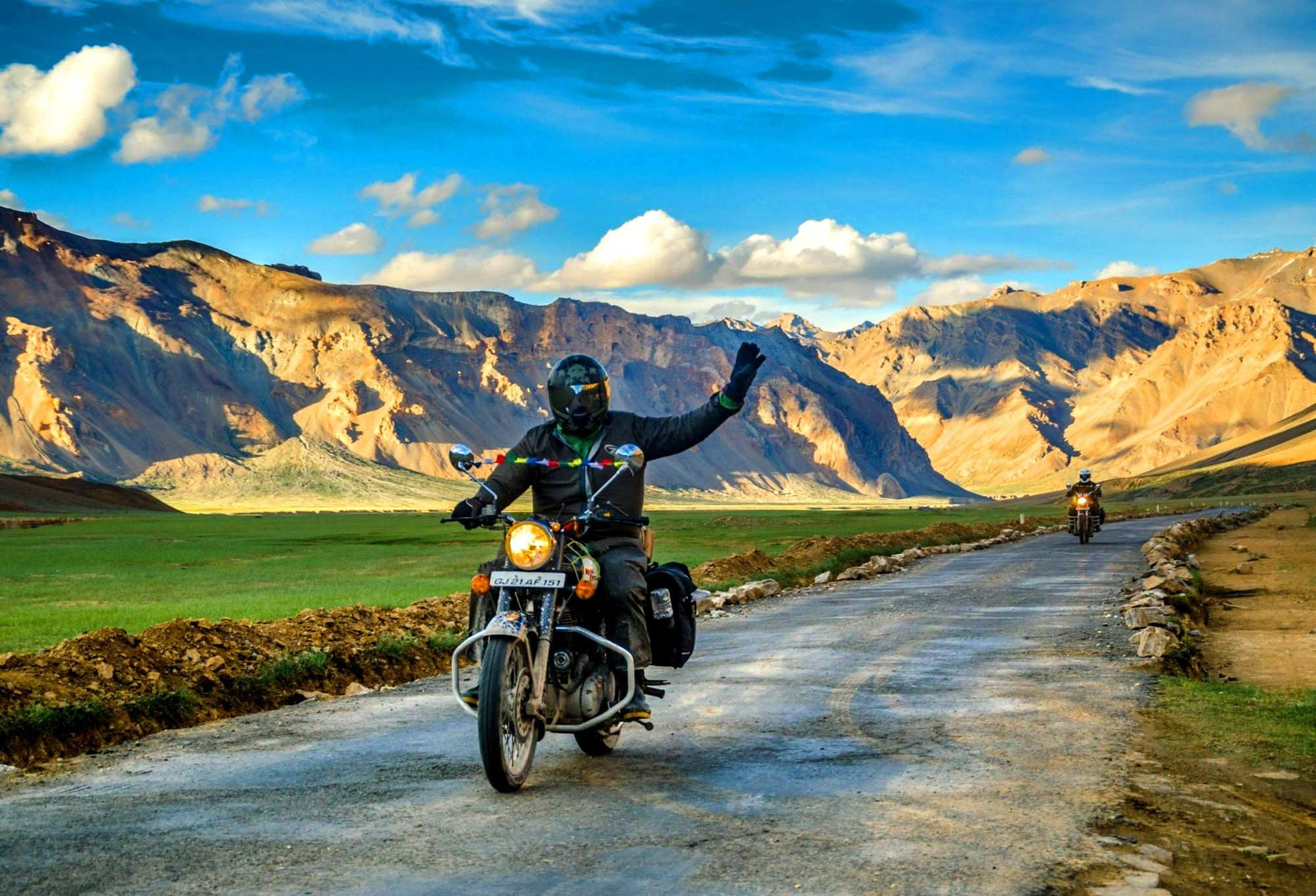
Ladakh is a region administered by India as a union territory which constitutes a part of the larger Kashmir region and has been the subject of dispute between India, Pakistan, and China since 1947.
Ladakh is a union territory in the Kashmir region of India. Formerly falling in the state of Jammu & Kashmir, Ladakh was administered a union territory on 31st October 2019. Extending from the Siachen Glacier to the main Great Himalayas, Ladakh is a land like no other. Dominated by dramatic landscapes, Ladakh is known as the world's coldest desert.
Stunning Gompas (Tibetan Buddhist monasteries), fluttering prayer flags, whitewashed stupas, Ladakh is a riot of intricate murals and red-robed monks. It is said that only in Ladakh can a man sitting in the sun with his feet in the shade suffer from sunstroke and frostbite at the same time. With a culture similar to Tibetan culture, the people of Ladakh are friendly and welcoming to tourists.
Famous Places
- Leh palace
- Leh market
- Shanti stupa
- Magnetic hills
- Gurduwara pathar sahib
- Alchi
- Sangam river
- Khardung La
- Pangong lake
- Nubra
- Cold desert
- TSO lake & Much more.
Language
The predominant mother-tongue in Leh district is Ladakhi (also called Bauti), a Tibetic language. Purkhi, sometimes considered a dialect of Balti, is the predominant mother-tongue of Kargil district. Educated Ladakhis usually know Hindi, Urdu and often English. Within Ladakh, there is a range of dialects, so that the language of the Chang-pa people may differ markedly from that of the Purig-pa in Kargil, or the Zangskaris, but they are all mutually comprehensible. Most Ladakhi people (especially the younger generations) speak fluently in English and in Hindi too, due to the languages education at school.[Administrative work and education are carried out in English